Training in Milan
The Theory of Change training in Milan focused on building the capacity of project partners and professionals to support migrant children and young adults through language learning, Rhetoric Speech, child participation, and social-emotional skills.
The most important outcomes
Shared Training Framework
Partners developed a common understanding of how the Toolkit, Game Bank, and training materials will be used to support migrant children through language learning, Rhetoric Speech, participation, and social-emotional skills.
Preparation for Local Implementation
The training helped partners prepare to deliver local workshops by identifying trainers, reviewing materials, planning activities, and adapting the resources to their national contexts.
Collaborative Training Insights
Milan Training Overview
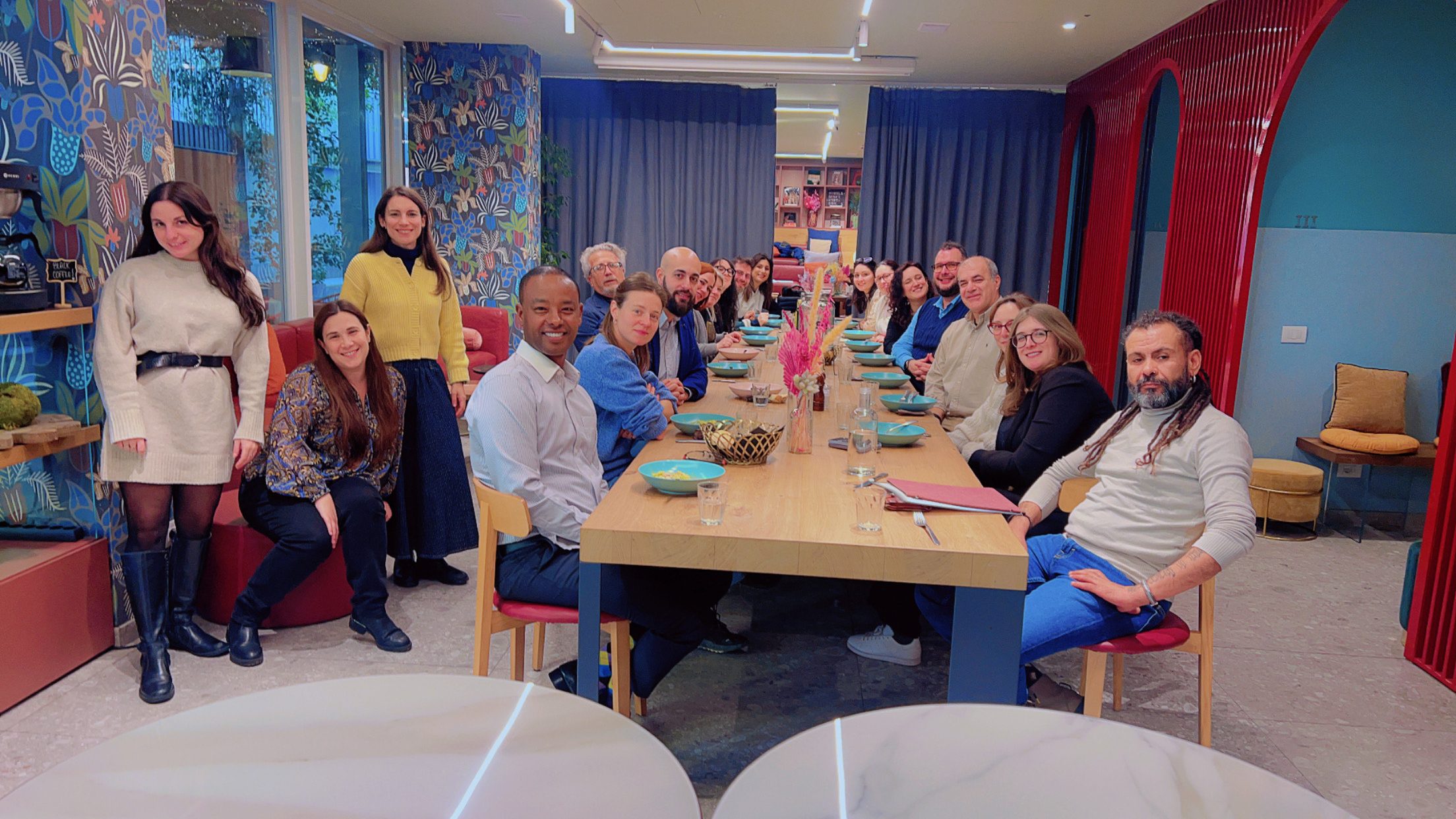
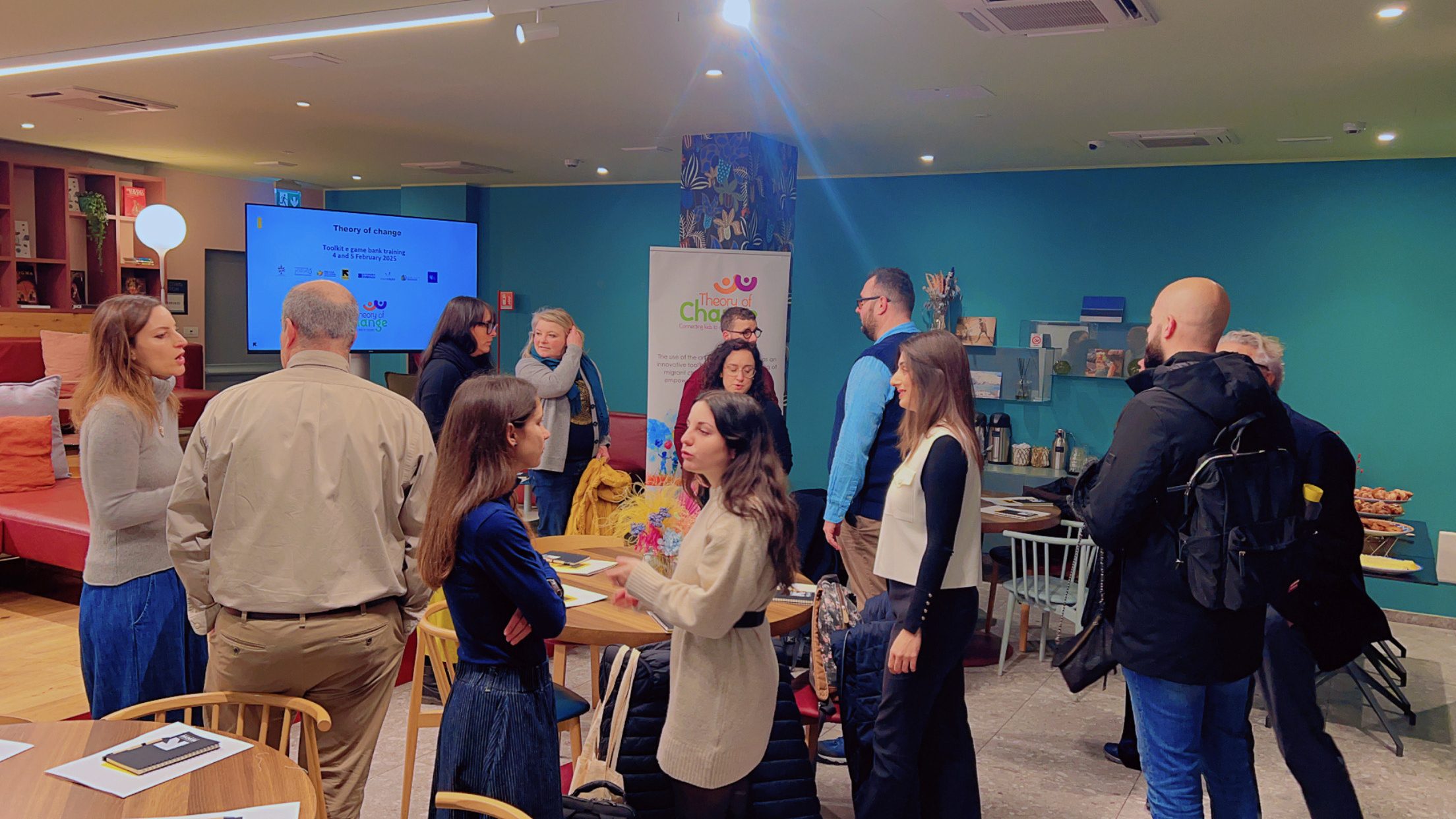
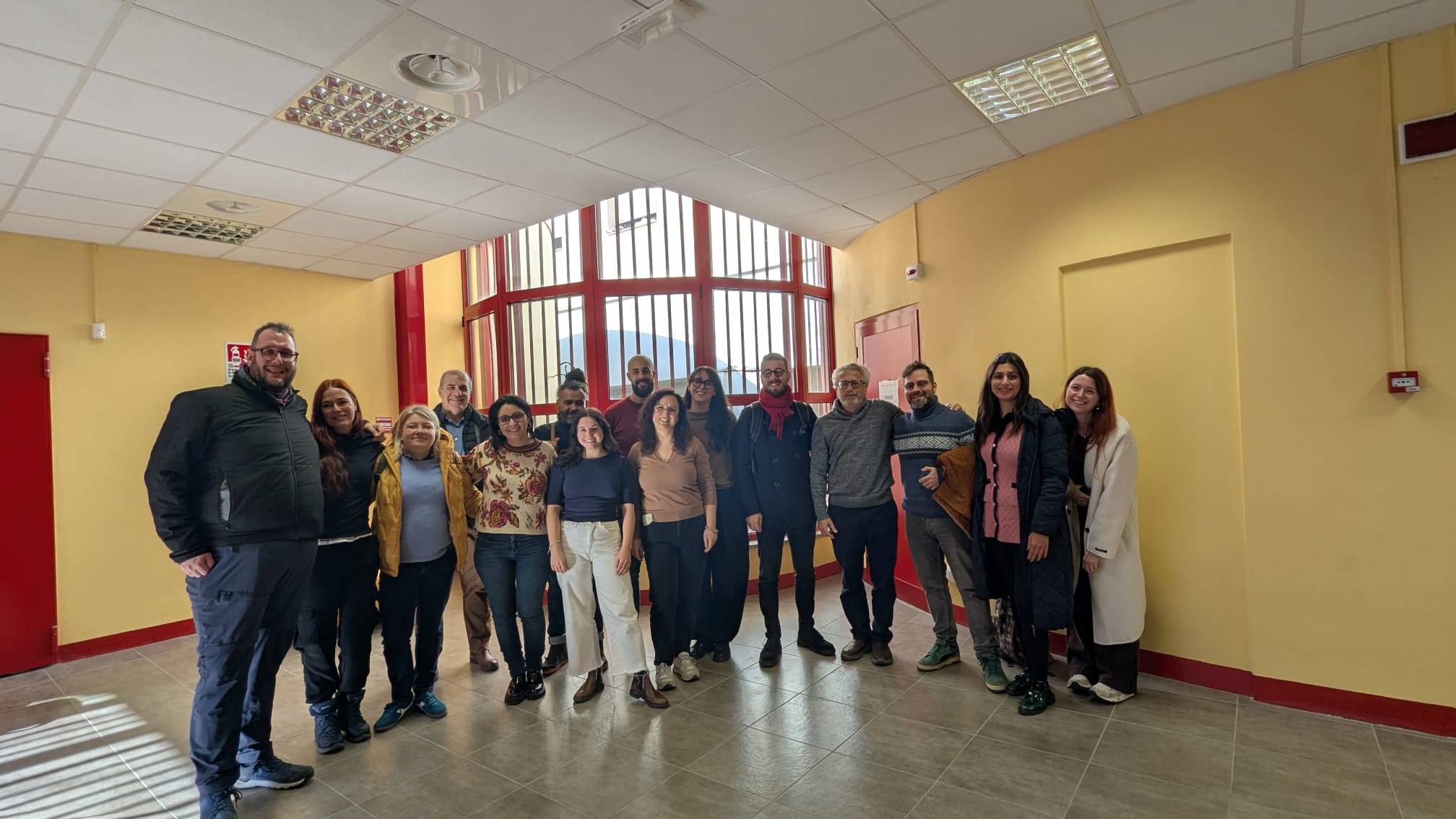
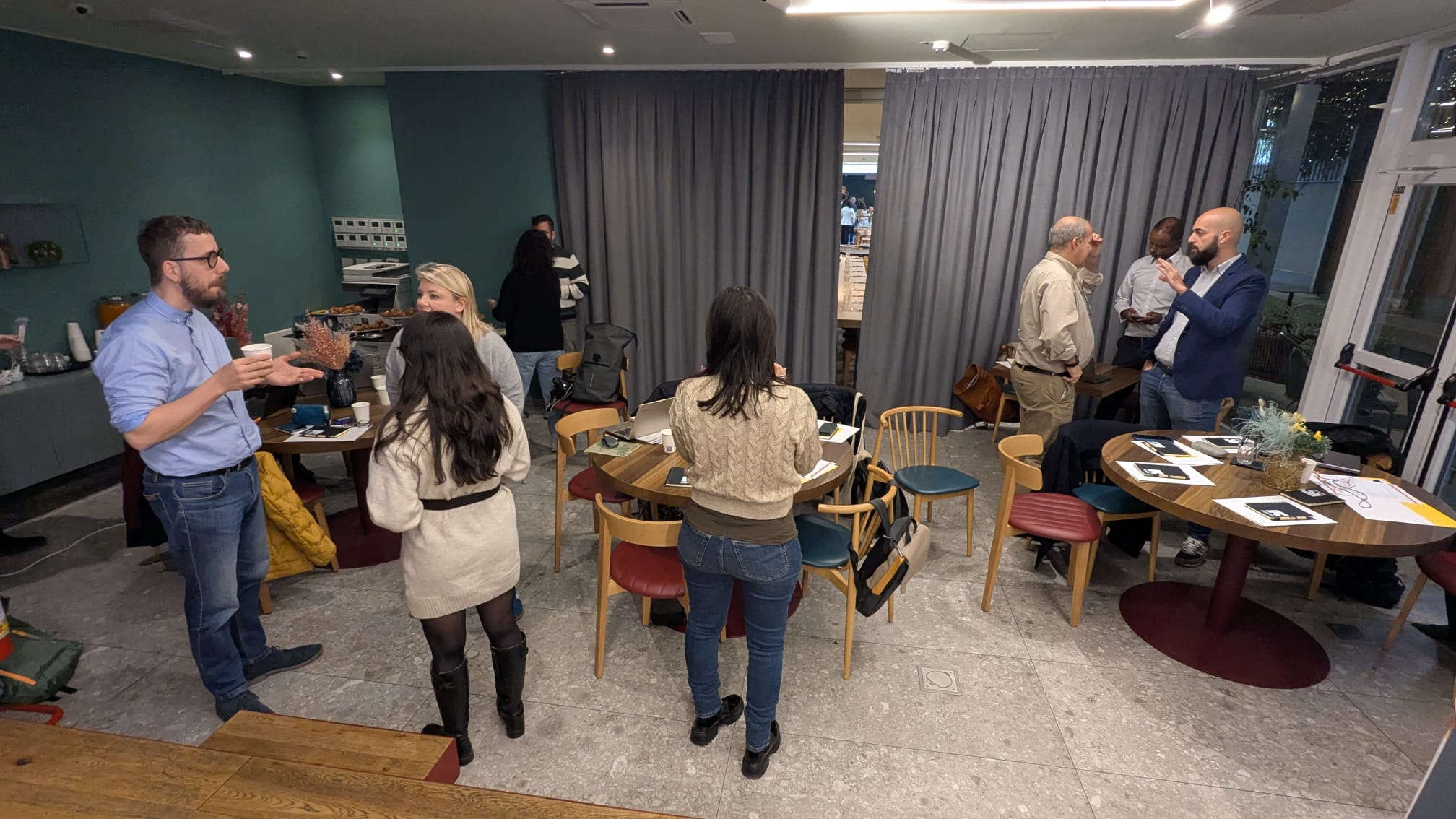
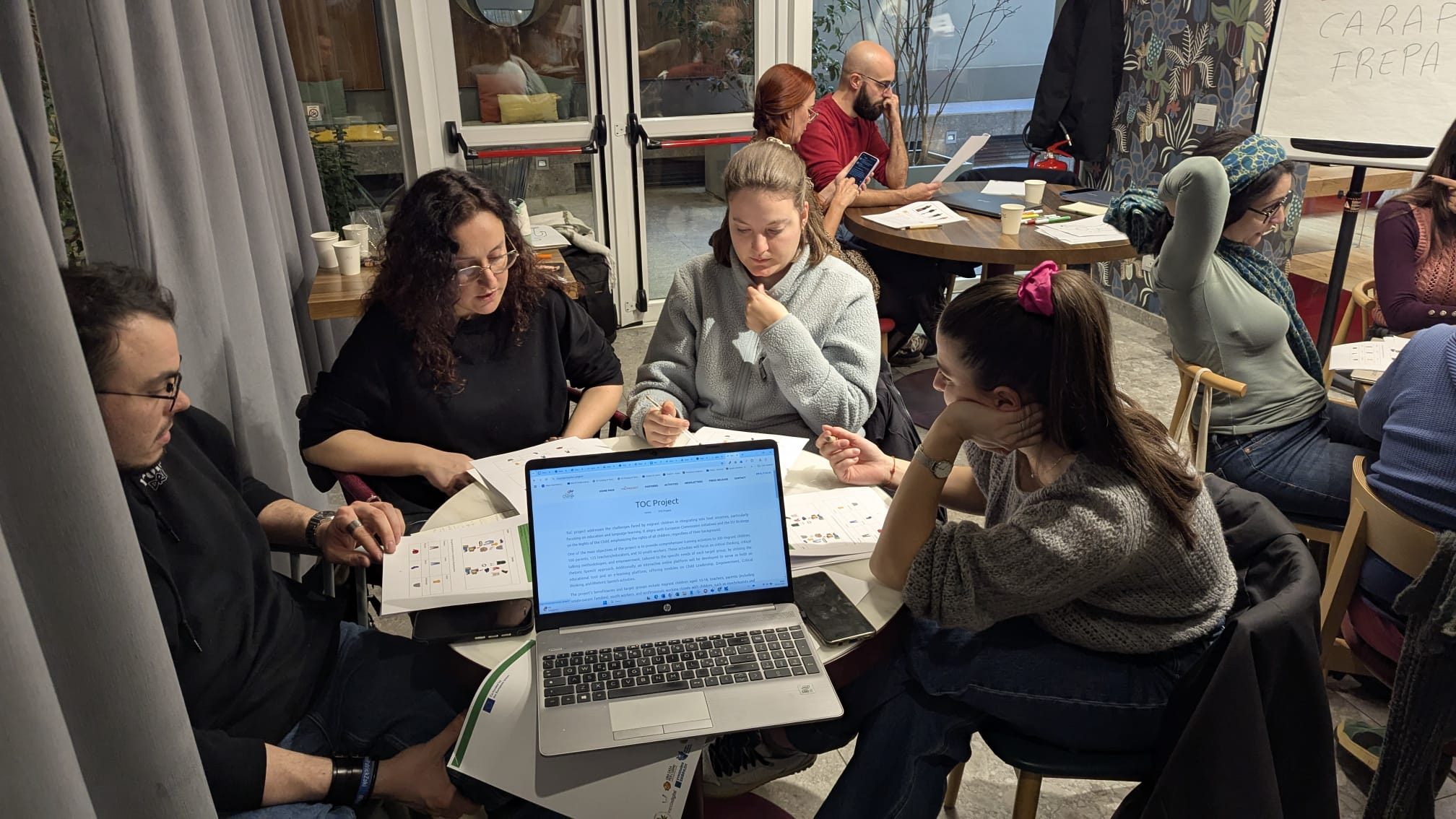
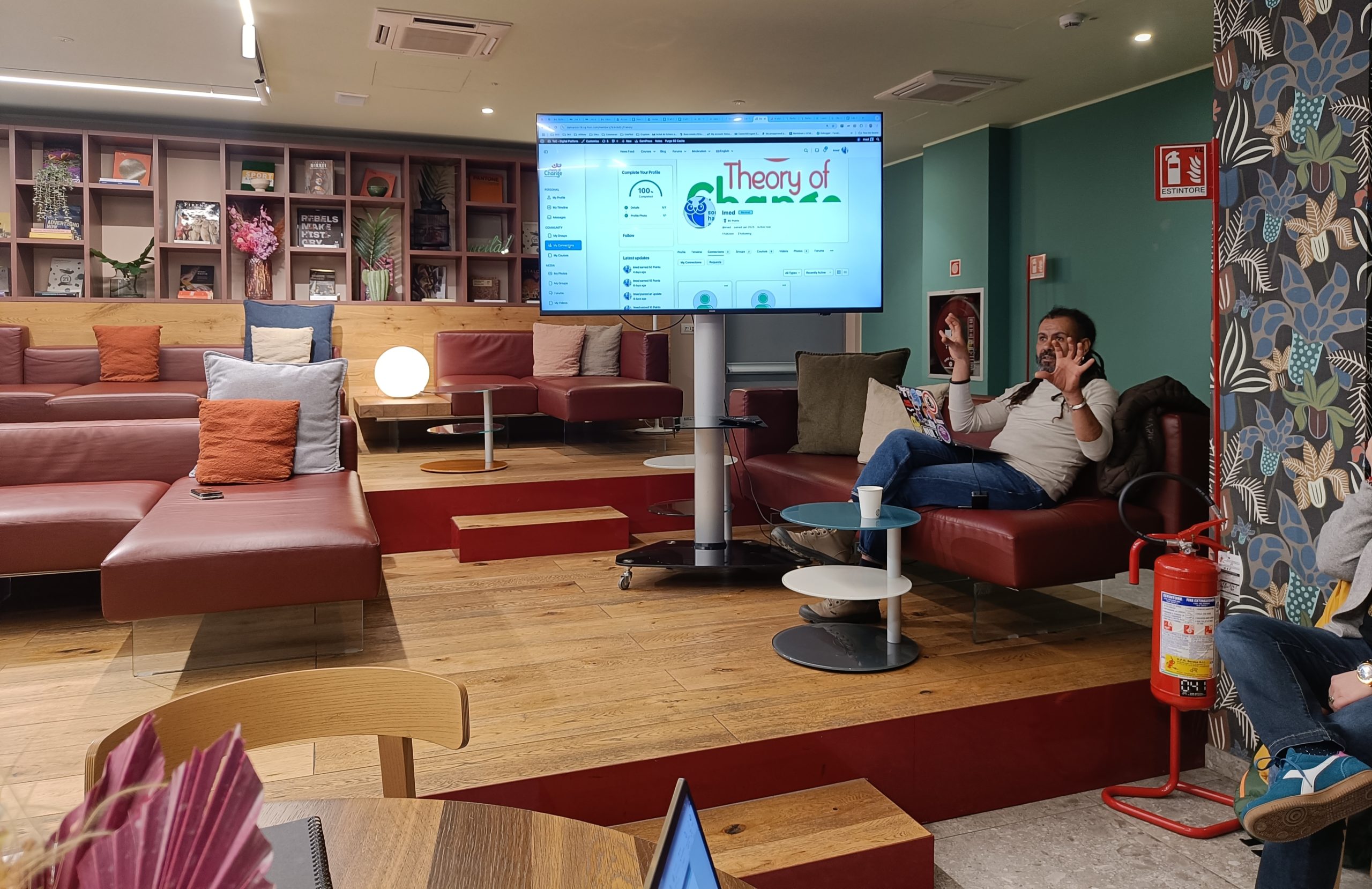
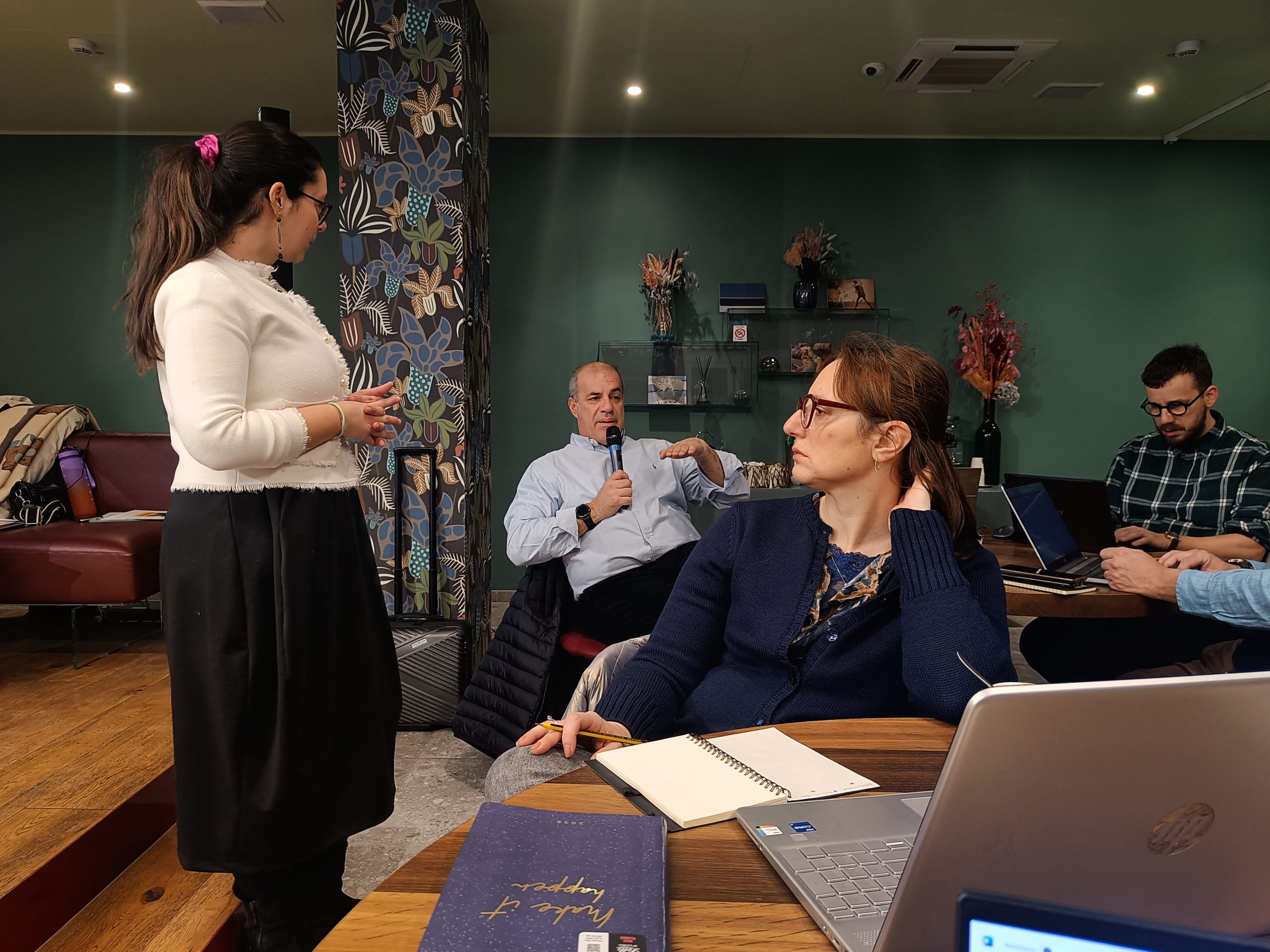
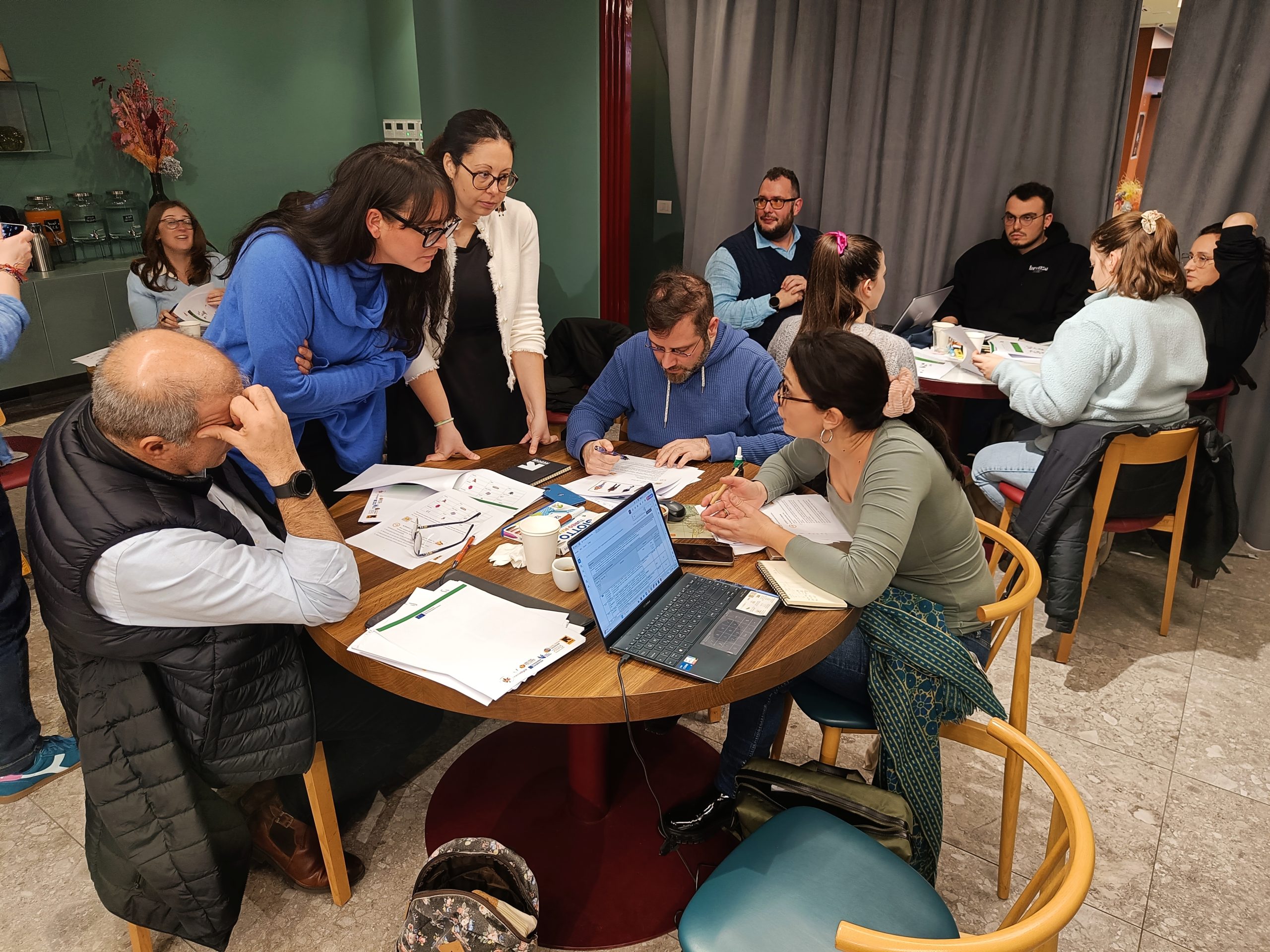
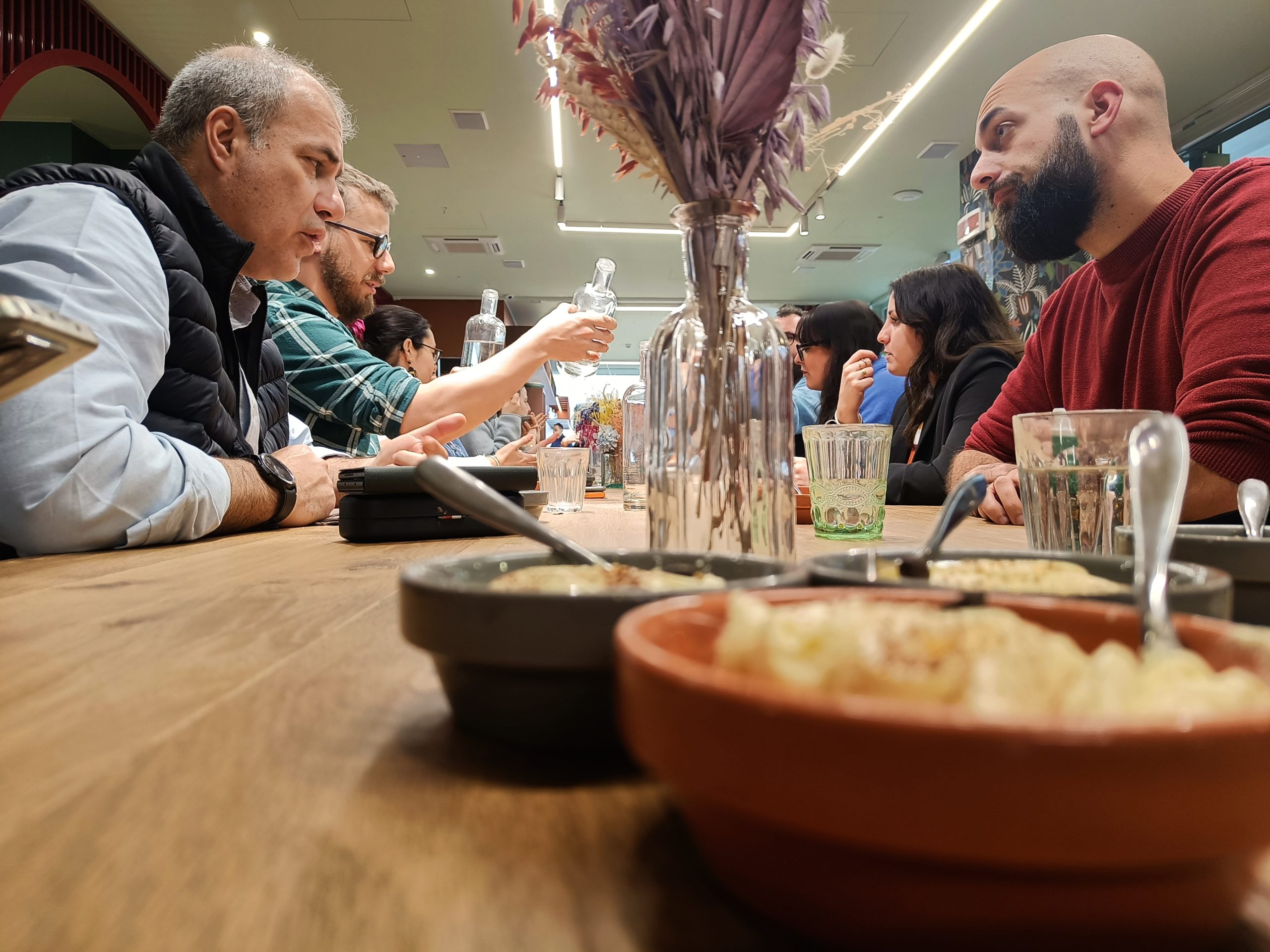
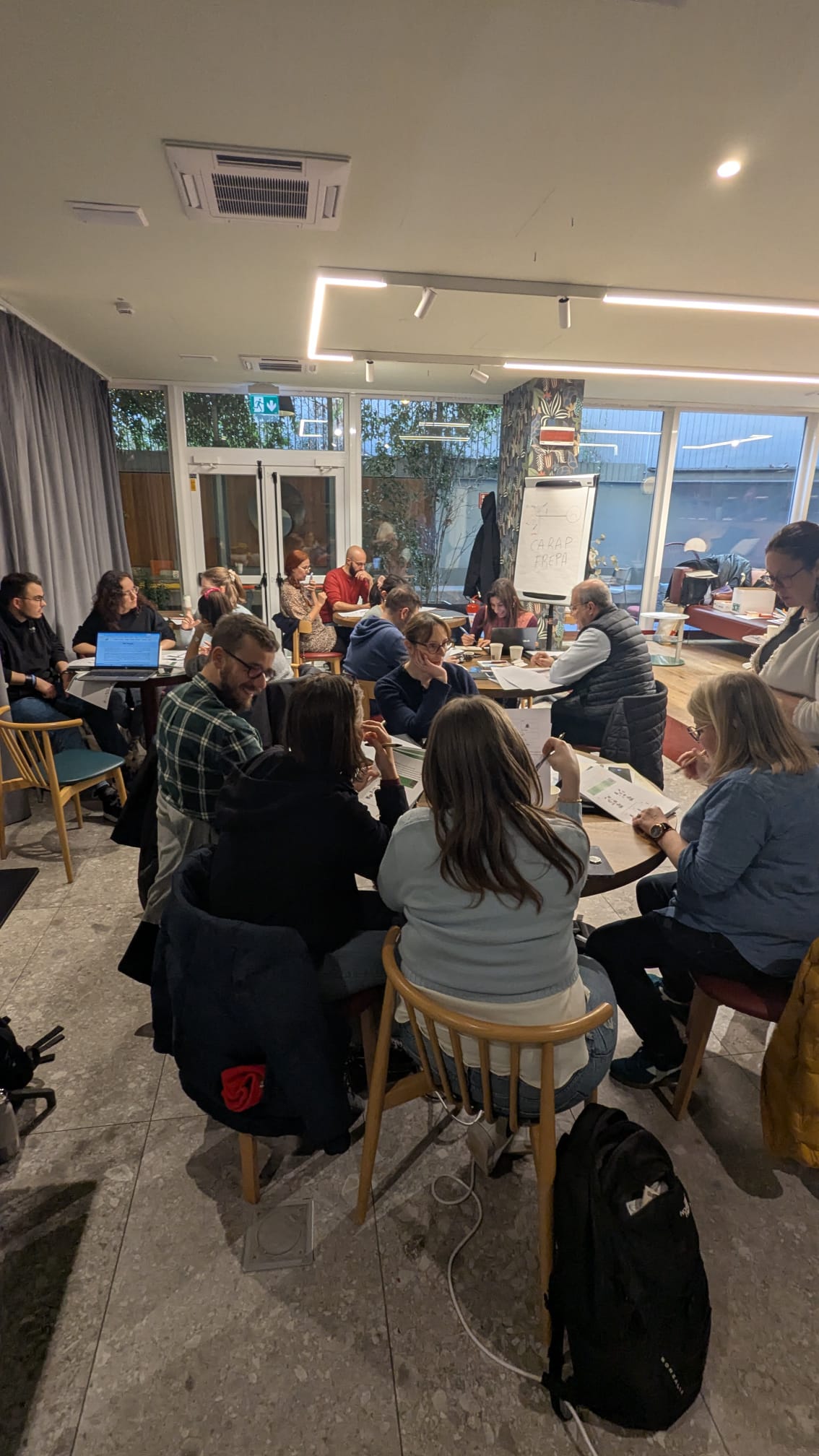
During the Milan training (4th & 5th of February), participants engaged in dynamic discussions, hands-on exercises, and strategic planning sessions. This collaborative environment facilitated the exchange of innovative ideas and practical solutions to enhance educational outcomes for migrant children.
Training Activities Overview
Goal Review
Participants assessed the objectives of Work Package 3 to ensure alignment with project goals.
Toolkit Exploration
Explored the structure and application of the Training Toolkit for effective implementation.
Game Bank Discussion
Discussed the Game Bank's potential for engaging diverse age groups in learning activities.
Rhetoric Speech Connection
Connected Rhetoric Speech techniques with enhancing child participation and expression.
Social-Emotional Learning
Explored activities that foster social-emotional skills crucial for migrant children's development.
Local Adaptation Ideas
Shared innovative ideas for adapting project materials to local contexts and needs.
Workshop Planning
Planned capacity-building workshops to empower educators and youth workers.
Online Session Preparation
Prepared for upcoming transnational online sessions to facilitate broader engagement.
Why the Milan Training Matters
The Milan training has been pivotal in laying a robust groundwork for the Theory of Change project. By fostering collaboration among partners, it has enabled the development of shared tools and strategies that are essential for supporting professionals working with migrant children and young adults. This training has not only enhanced the capacity of our partners but also ensured that they are well-equipped to implement effective educational practices across Europe.
Through this training, we have strengthened our ability to deliver impactful educational programs that empower migrant children. The collaborative environment in Milan allowed partners to exchange ideas, refine methodologies, and create a cohesive approach to addressing the unique challenges faced by migrant communities.
Ultimately, the Milan training has reinforced our commitment to fostering inclusive and supportive learning environments. By equipping professionals with the necessary skills and resources, we are better prepared to facilitate the integration and participation of migrant children in educational and social settings.
Training Highlights
The Milan training session was a significant milestone in enhancing our educational framework. It provided a platform for partners to refine and expand upon existing training materials, ensuring they are comprehensive and effective.
Enhanced Training Materials
Our training materials have been significantly improved, incorporating feedback and insights from the Milan session to better address the needs of migrant children and their educators.
Professional Preparedness
Participants left the training better equipped with practical skills and strategies, ready to implement innovative educational practices in their respective regions.
Inclusive Learning Activities
We have developed more inclusive learning activities that cater to diverse learning needs, promoting active participation and engagement among migrant children.
Moments from the Milan Training